

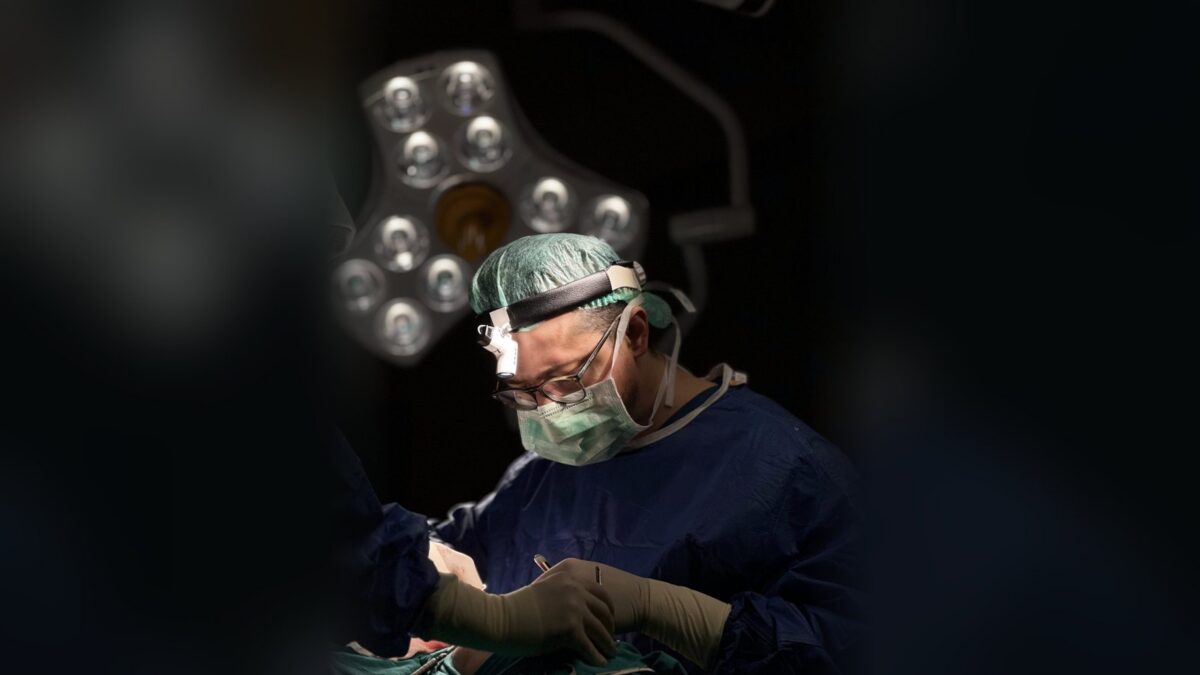
Modern piezo rhinoplasty brings together two things: today’s approach to nose surgery (a natural result, protected breathing and a plan made for one face) and piezo ultrasonic instruments that shape the nasal bones with millimetric control. Compared with the classic chisel and hammer, many patients have less bruising and a calmer first week, although every recovery is individual.
At a glance
What is modern piezo rhinoplasty?
Modern rhinoplasty is not a single technique. It is a way of working: the nose is shaped to suit the face, its supporting structures are protected and breathing is kept or improved. Patients today ask for a nose that looks natural and unoperated, not a template nose.
Piezo rhinoplasty, also called ultrasonic rhinoplasty or piezosurgery, is one of the tools of this approach. A piezo device has a fine tip that vibrates at ultrasonic frequency. It cuts and files bone, while softer tissue such as the lining of the nose, blood vessels and skin moves with the vibration and is largely spared. The surgeon can therefore shape the nasal bones under direct vision instead of fracturing them with a chisel.
Piezo works on bone only. The cartilage of the tip and the septum is still shaped by hand with fine instruments, so the quality of the result depends on the whole plan, not on the device alone.
How does piezo differ from classic rhinoplasty?
| Classic technique | Piezo (ultrasonic) technique | |
|---|---|---|
| Bone shaping | Chisel (osteotome) and hammer, bones are fractured in a controlled way | Ultrasonic tip cuts and files the bone along planned lines |
| Soft tissue | Vessels and lining can be affected more | Soft tissue is largely preserved |
| Bruising and swelling | Can be more pronounced | Usually milder |
| Control | Relies more on the surgeon’s feel | Cuts are made under direct vision |
| Operating time | Often shorter | Can be somewhat longer, as the bone is exposed more widely |
What are the advantages of piezo rhinoplasty?
Less bruising and swelling for many patients
Because vessels and soft tissue are spared, bruising around the eyes is often limited. Swelling still happens, as with any nose surgery, but the first days are usually easier.
Precise, predictable bone work
A dorsal hump can be reduced step by step and the side walls of the nose can be narrowed or straightened along exact lines. This helps the surgeon achieve the shape that was planned.
Smoother lines and a natural look
Controlled bone shaping leaves fewer irregularities on the bridge of the nose, which supports a smooth, natural profile that fits the face.
A good partner for preservation techniques
Piezo also suits preservation rhinoplasty, where the natural bridge of the nose is kept and lowered instead of being removed and rebuilt.
Who is a good candidate for piezo rhinoplasty?
Piezo is most useful when the nasal bones need work. It is often considered for:
- A hump on the bridge of the nose
- A crooked or deviated nose
- Wide nasal bones that need narrowing
- Revision rhinoplasty, where earlier surgery left the bones irregular
- Patients who want a natural, balanced result with a gentler first week
Not every nose needs it. If only the tip is to be refined, a tip-only operation (tipplasty) may be enough and no bone work is needed. Which technique suits you is decided at the examination.
Why does it matter that an ENT surgeon performs it?
The nose is also a breathing organ. An ear, nose and throat (ENT) surgeon works with the inside of the nose every day: the septum, the turbinates and the nasal valves. In rhinoplasty this means the look of the nose and the airway are planned together.
If you have a deviated septum or enlarged turbinates, these can be corrected in the same operation. You can read more in our article on functional rhinoplasty, septoplasty and turbinate reduction.
How is the operation planned and performed?
- Free online pre-consultation: you send photos of your nose and your wishes on WhatsApp, and Dr. Erkoç gives a first assessment.
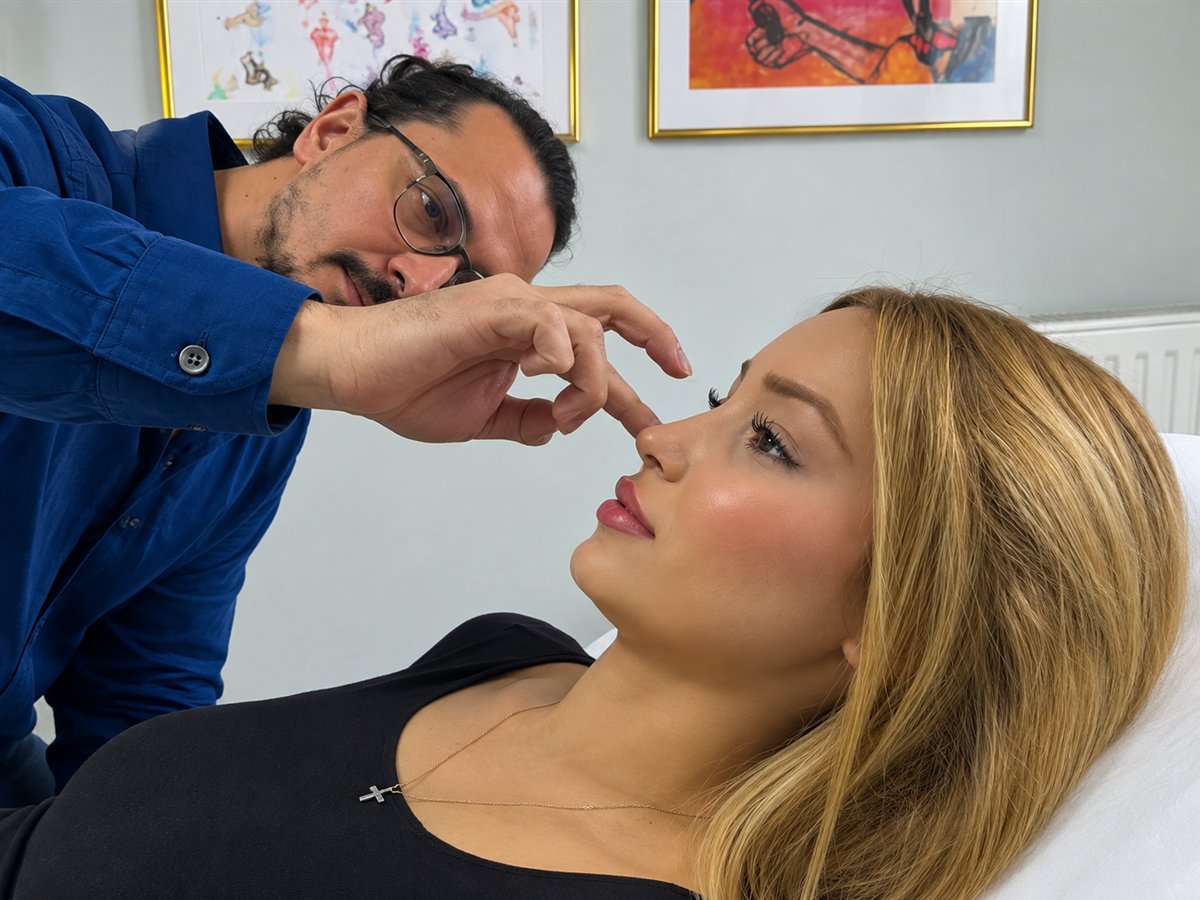
- Examination and design meeting: the inside and outside of the nose are examined and the new shape is planned with you in a nose design meeting.
- Surgery: under general anaesthesia at Medipol Acıbadem District Hospital in Kadıköy, with an open or closed approach depending on your nose.
- Hospital stay: usually one night.
- Check-ups: at the clinic in the following days; the splint comes off after about a week. See the day-by-day journey in Istanbul.
What is recovery like after piezo rhinoplasty?
Recovery differs from person to person. The timeline below shows what most patients can expect:
| Time | What usually happens |
|---|---|
| First 2 to 3 days | Swelling is at its peak; cold compresses and keeping the head raised help |
| About day 7 | The splint is removed; most bruising has faded |
| Weeks 2 to 3 | Most people return to work and social life |
| Month 3 | Most of the swelling has gone |
| Month 12 | The final shape settles; the tip is the last part to refine |
Our guide on what to pay attention to after rhinoplasty explains sleep, glasses, sport and care of the nose in detail.

How does Dr. Erdal Erkoç approach modern piezo rhinoplasty?
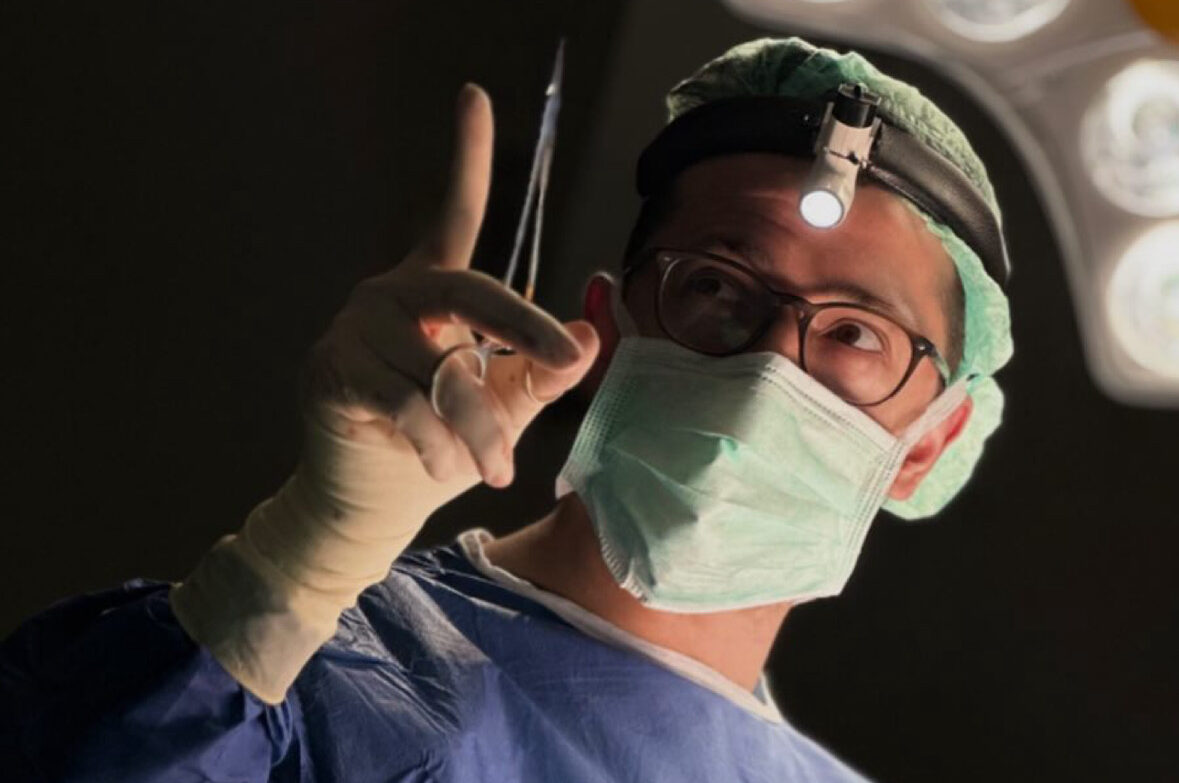
Op. Dr. Erdal Erkoç is an ENT specialist who focuses on nose surgery and a member of the European Academy of Facial Plastic Surgery (EAFPS). He has used piezo ultrasonic surgery in rhinoplasty for years. His way of working rests on a few principles:
- One operation a day, so that each patient has his full attention
- The technique follows the nose: open, closed, structural or preservation rhinoplasty, chosen for your anatomy and skin
- A natural result: a nose that suits the face and does not look operated
- Breathing first: function is part of every plan
- Revision experience: including rib cartilage grafts when the nose needs rebuilding
Patients are seen at his own clinic in Akasya Mall, Acıbadem, and operated on at Medipol Acıbadem District Hospital, a JCI (Joint Commission International) accredited hospital.
Why do patients choose Istanbul for piezo rhinoplasty?
Istanbul has become an international centre for nose surgery. Patients find experienced surgeons, modern hospitals and short travel times from Europe and the Middle East. The fee for piezo rhinoplasty is part of the overall rhinoplasty fee and is set after your nose has been assessed; our article on rhinoplasty prices in Istanbul shows the general ranges.
Free online pre-consultation
Send clear photos of your nose (front, both sides and from below) and a short note about what you would like to change. You will receive a first assessment and learn whether piezo rhinoplasty suits your nose.
Write to us on WhatsAppFrequently asked questions about piezo rhinoplasty
Is piezo rhinoplasty better than traditional rhinoplasty?
Not automatically. Piezo is a precise tool for the bony part of the nose and often means less bruising. The overall result still depends on the surgeon’s experience and the plan for your nose.
Is piezo rhinoplasty less painful?
Pain after rhinoplasty is usually moderate and is controlled with medication. Because piezo spares soft tissue, many patients find the first days more comfortable.
How long does recovery take after piezo rhinoplasty?
The splint is usually removed after about 7 days. Most patients return to social life within 2 to 3 weeks, and the final shape settles over about 12 months.
Can piezo be used in revision rhinoplasty?
Yes. It is often helpful when earlier surgery left the nasal bones irregular. Revisions may also need cartilage grafts, which are planned at the examination.
Is every nose suitable for piezo rhinoplasty?
No. Piezo is used when the bones need shaping. If only the tip needs refining, bone work may not be necessary at all.
Can I find out whether I am a candidate before travelling?
Yes. After a free online pre-consultation based on your photos, you receive a first assessment before planning your trip.
For more answers about surgery, recovery and travel, see our rhinoplasty FAQ.