
Structural Reconstruction of Severe Nasal Collapse
Saddle nose deformity represents one of the most challenging conditions encountered in modern rhinoplasty and reconstructive nasal surgery. Unlike cosmetic nasal irregularities that primarily affect appearance, saddle nose deformity involves significant structural collapse of the nasal framework, frequently resulting in both functional impairment and profound aesthetic distortion. Patients often experience chronic nasal obstruction, compromised airflow, external nasal asymmetry, and a substantial reduction in quality of life due to the combined cosmetic and physiological consequences of the deformity.
Successful correction requires considerably more than simple augmentation of the nasal dorsum. Contemporary saddle nose repair focuses on complete restoration of the structural architecture of the nose through reconstruction of the septum, dorsal support, internal and external nasal valves, and tip support mechanism. For patients with severe cartilage deficiency, autologous rib cartilage has become the gold standard reconstructive material because of its exceptional strength, long term stability, and ability to recreate the native structural integrity of the nose.
When performed by an experienced rhinoplasty surgeon with extensive knowledge of both functional and aesthetic nasal anatomy, rib graft reconstruction can restore nasal breathing while simultaneously achieving a natural, balanced, and durable appearance.
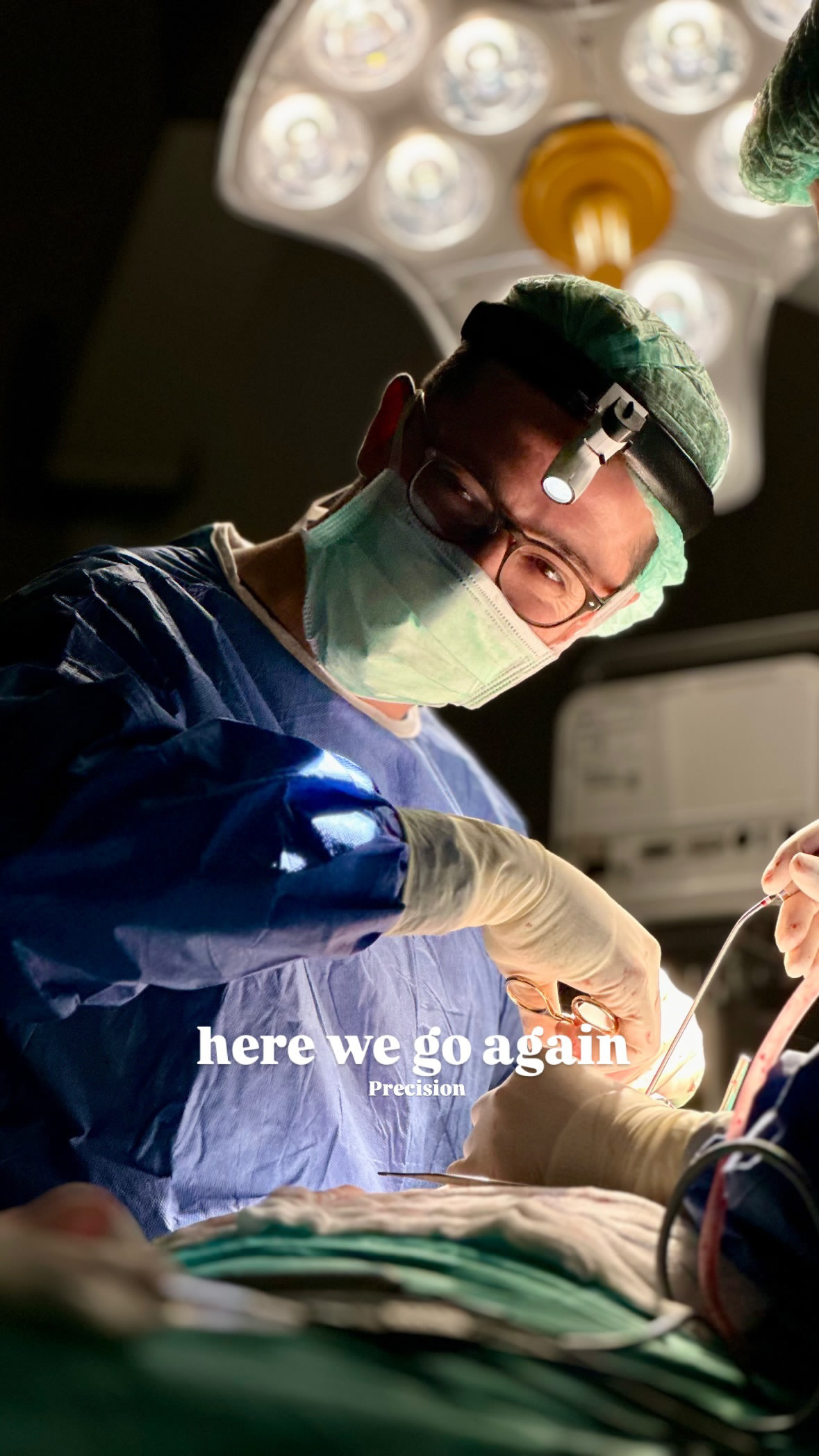
What Is Saddle Nose Deformity
Saddle nose deformity describes the loss of structural support along the nasal dorsum, producing a characteristic depression of the bridge accompanied by varying degrees of shortening of the nose and downward rotation of the nasal tip. The condition may affect only the cartilaginous dorsum in mild cases or extend into the bony vault and septal framework in advanced deformities.
The severity of collapse depends upon the amount of structural tissue loss and the underlying cause. As the septal support weakens, the dorsal profile gradually descends, causing the nose to lose both projection and stability. In advanced cases the nose may appear shortened, flattened, and broad with marked asymmetry and collapse of the internal nasal valve during inspiration.
From a functional perspective, the septum serves as the central support pillar of the nose. Once this support is compromised, the remaining cartilaginous structures progressively lose stability, resulting in increasing airway obstruction and further external deformity.
Causes of Saddle Nose Deformity
Numerous conditions may contribute to saddle nose deformity. Previous nasal surgery remains one of the most common causes, particularly when excessive septal cartilage has been removed during rhinoplasty or septoplasty without preserving adequate structural support.
Traumatic injury represents another frequent cause. Nasal fractures involving the septum may heal improperly or produce progressive cartilage necrosis, ultimately leading to collapse months or even years after the initial injury.
Certain autoimmune disorders including granulomatosis with polyangiitis and relapsing polychondritis may gradually destroy the cartilaginous framework through chronic inflammation. Severe infections, septal abscess formation, previous cocaine use, congenital abnormalities, and failed reconstructive procedures may also result in significant structural loss requiring complex reconstruction.
Regardless of the underlying cause, the surgical objective remains the same. The surgeon must rebuild the structural framework of the nose rather than merely camouflage the depression.
Clinical Evaluation Before Surgery
Accurate diagnosis begins with a comprehensive clinical assessment. The external examination evaluates dorsal depression, tip projection, nasal length, symmetry, skin quality, scar formation, and facial proportions. Equally important is the internal examination, which assesses septal integrity, residual cartilage availability, airway obstruction, turbinate hypertrophy, internal valve collapse, and mucosal condition.
Modern imaging techniques such as computed tomography may be useful in selected patients, particularly following severe trauma or previous reconstructive surgery. However, surgical planning relies primarily upon meticulous physical examination and detailed understanding of the three dimensional structural deficiencies.
The surgeon must identify which components require reconstruction and determine whether sufficient septal or auricular cartilage remains available. In advanced deformities, rib cartilage frequently represents the only material capable of restoring adequate structural support.
Why Rib Cartilage Is Considered the Gold Standard
Autologous rib cartilage provides several unique advantages that distinguish it from other graft materials. It offers abundant volume, remarkable mechanical strength, excellent long term durability, and outstanding biocompatibility because it originates from the patient’s own body.
Unlike synthetic implants, rib cartilage integrates naturally with surrounding tissues and carries minimal risk of chronic infection, extrusion, or foreign body reaction. Compared with ear cartilage, rib cartilage possesses substantially greater rigidity, making it particularly suitable for reconstruction of severe structural collapse.
One of the greatest benefits of rib cartilage is the ability to carve multiple precisely shaped grafts from a single harvested segment. This allows comprehensive reconstruction of the septum, dorsum, nasal tip, and valve support using one donor site.
Experienced surgeons understand that rib cartilage should not simply fill the depressed area. Instead, it functions as a structural building material capable of recreating the entire supporting framework of the nose.
Rib Cartilage Harvesting
The rib graft is typically harvested through a carefully planned incision placed within a natural skin crease beneath the breast or along the lower chest wall. The incision is designed to heal inconspicuously while allowing safe access to the selected rib.
Only a portion of the cartilage is removed while preserving the surrounding structural stability of the chest wall. Modern surgical techniques emphasize meticulous tissue handling to minimize discomfort, accelerate healing, and reduce visible scarring.
Following harvest, the cartilage undergoes careful preparation. Internal stresses within the cartilage are balanced through specialized carving techniques that reduce the likelihood of postoperative warping.
The donor site is then closed in multiple anatomical layers to optimize cosmetic healing and minimize postoperative discomfort.
Structural Reconstruction of the Nose
Modern saddle nose correction is fundamentally a structural operation rather than a cosmetic augmentation procedure.
The first priority is restoration of septal support through placement of a strong central graft that recreates the load bearing function of the native septum. This reconstructed septum serves as the foundation upon which the remainder of the nasal framework is rebuilt.
Dorsal grafts restore the natural bridge contour while spreader grafts reestablish the internal nasal valve and improve nasal airflow. Additional grafts reinforce the nasal tip, improve projection, stabilize rotation, and restore harmony between the upper and lower thirds of the nose.
Each graft functions as part of an integrated architectural system. Long term success depends upon proper distribution of mechanical forces throughout the reconstructed framework rather than isolated placement of individual cartilage pieces.
Functional Improvement
Many patients seek surgery because they struggle with chronic nasal obstruction in addition to cosmetic concerns. Structural reconstruction provides an opportunity to address both problems simultaneously.
By restoring the integrity of the septum and internal nasal valve, rib graft reconstruction frequently produces substantial improvements in airflow. Reestablishing normal support prevents dynamic collapse during inspiration and promotes more efficient nasal breathing.
When indicated, additional procedures including septoplasty, turbinate reduction, scar release, and correction of vestibular stenosis may be performed during the same operation to maximize functional outcomes.
Recovery After Saddle Nose Reconstruction
Recovery following rib graft rhinoplasty requires patience because the operation involves comprehensive reconstruction rather than isolated cosmetic refinement.
Swelling gradually decreases over several months, although subtle refinement continues for up to one year and occasionally longer in revision cases. Patients generally notice immediate improvement in dorsal support, while final contour definition develops progressively as postoperative edema resolves.
Chest discomfort following cartilage harvest is usually temporary and responds well to standard postoperative pain management. Most patients resume light daily activities within two weeks while avoiding strenuous exercise for several additional weeks.
Long term follow up remains an essential component of successful reconstruction, allowing careful monitoring of graft stability, airway function, and aesthetic maturation.
Potential Risks and Complications
As with all complex reconstructive procedures, saddle nose repair carries potential risks. These include infection, bleeding, prolonged swelling, graft warping, partial graft resorption, asymmetry, scar formation, persistent nasal obstruction, and the possible need for revision surgery.
Fortunately, these complications are uncommon when surgery is performed by an experienced rhinoplasty specialist using meticulous surgical technique and careful patient selection.
Comprehensive preoperative planning, precise graft carving, stable fixation, and long term follow up all contribute significantly to successful outcomes.
Why Surgical Experience Matters
Saddle nose reconstruction represents one of the highest levels of technical complexity within rhinoplasty. Unlike routine cosmetic procedures, reconstruction requires mastery of structural engineering principles, advanced graft design, detailed understanding of nasal biomechanics, and extensive experience with revision surgery.
Every patient presents a unique combination of tissue deficiency, scar formation, airway compromise, and aesthetic imbalance. Consequently, no universal surgical template exists. Each reconstruction must be individually designed according to the patient’s anatomy and functional requirements.
Successful surgeons recognize that restoring nasal support involves rebuilding an integrated framework capable of maintaining both appearance and function for decades.
Saddle Nose Reconstruction by Dr Erdal Erkoç
Dr Erdal Erkoç is an Ear Nose and Throat surgeon whose clinical practice is dedicated exclusively to rhinoplasty and advanced nasal reconstruction. Working from his private clinic in Acıbadem on the Asian side of Istanbul, he performs primary rhinoplasty, revision rhinoplasty, functional nasal surgery, and complex structural reconstruction for patients from around the world.
In severe saddle nose deformities, Dr Erkoç applies contemporary structural rhinoplasty principles using meticulously carved autologous rib cartilage to recreate the nasal framework rather than simply augmenting the bridge. Each reconstruction is individually planned according to the degree of cartilage loss, skin characteristics, airway function, and facial proportions, with the goal of achieving durable structural support, natural aesthetic harmony, and optimal nasal breathing.
His surgical philosophy combines precise anatomical analysis, preservation of healthy tissue whenever possible, advanced grafting techniques, and ultrasonic bone surgery when indicated. This comprehensive approach enables restoration of both function and appearance while maintaining long term stability and minimizing the likelihood of future structural collapse.
Conclusion
Saddle nose deformity is a complex reconstructive condition that demands comprehensive restoration of the nasal framework rather than superficial cosmetic enhancement. Autologous rib cartilage remains the most reliable material for rebuilding severe structural deficiencies because it provides exceptional strength, abundant volume, excellent biocompatibility, and long term durability.
When reconstruction is carefully planned and executed by an experienced rhinoplasty surgeon, rib graft surgery can restore nasal breathing, rebuild facial harmony, and provide stable lifelong structural support. Modern structural rhinoplasty has transformed the management of saddle nose deformity, allowing patients with even the most severe collapse to achieve both functional recovery and highly natural aesthetic outcomes.
